Understanding Dog Behavior Through Neural Pathways: The Importance of Repetition in Training

Training a dog is more than teaching tricks or commands. It is about shaping behavior by creating strong neural pathways in your dog’s brain. These pathways form through repetition, helping your dog understand the rules, boundaries, and their role within your family. This process builds a foundation for clear communication and a harmonious relationship.
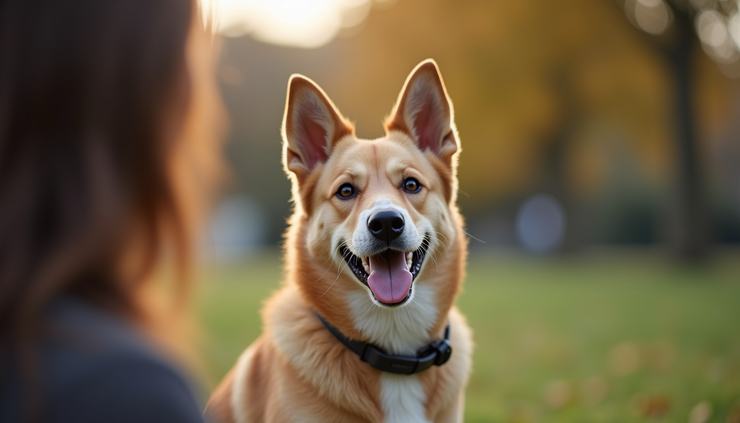
How Dogs Learn Through Neural Pathways
Dogs learn by forming connections in their brains called neural pathways. When a dog repeats an action or behavior, the brain strengthens these pathways, making the behavior easier and more natural over time. This is similar to how humans learn new skills, like riding a bike or playing an instrument.
For example, when you teach your dog to sit, each time they successfully sit on command, the neural pathway associated with that behavior becomes stronger. Repetition helps the dog remember what “sit” means and how to respond quickly.
Why Repetition Matters
Repetition is the key to solidifying these neural pathways. Without consistent practice, the connections in the brain remain weak, and the dog may forget or become confused about what is expected. This can lead to inconsistent behavior or disobedience.
Consistency helps dogs predict what will happen next, reducing anxiety.
Clear signals paired with repetition make learning faster.
Frequent practice reinforces good habits and reduces unwanted behaviors.
Setting Rules and Boundaries Through Training
By showing your dog what is acceptable and what is not by repeating behaviors and routines, you establish clear boundaries. Dogs thrive in environments where they understand their role and what is expected of them.
For example, if you want your dog to stay on the floor instead of jumping on your guests asking for "sit" whenever they approach you will over time, builds a strong neural pathway that associates sitting instead of jumping with positive outcomes.
Examples of Boundaries in Daily Life
Leash walking: Showing your dog to walk calmly on a leash requires repeated practice to build self-control.
Feeding times: Consistent feeding schedules help dogs understand routine and reduce begging.
Greeting guests: Showing your dog to go to their mat until you ask them to go say hello

Using Repetition in Daily Life
Incorporating repetition into everyday activities helps your dog learn naturally. Working together with skill building doesn't have to be long or formal. Short, frequent moments of practice work best.
Use mealtime as an opportunity to use behaviors like “sit” or “wait.”
Practice recall by calling your dog to you several times a day.
Reinforce quiet behavior by rewarding calmness during noisy situations.
The goal is to make communicating part of your routine, so your dog understands their role in the family without confusion.
Benefits of Clear Communication Through Neural Pathways
When you use repetition to build strong neural pathways, your dog gains:
Confidence because they understand what is expected.
Better behavior as habits become automatic.
Stronger bond through clear communication.
Reduced stress from knowing boundaries and routines.
This approach creates a positive environment where your dog feels secure and valued. By fostering such an atmosphere, you not only enhance your dog's emotional well-being but also strengthen the bond between you and your pet. A secure environment is characterized by consistency and predictability, which are essential for your dog's sense of safety. When your dog knows what to expect from their surroundings and from you as their caregiver, they are more likely to exhibit calm and relaxed behavior.
In addition to physical safety, emotional security is vital. This involves providing your dog with affection, attention, and positive reinforcement. Regularly engaging in activities that your dog enjoys, such as playtime, learning sessions, or play fetch, helps to reinforce the idea that they are cherished members of the family. Such interactions not only boost your dog's confidence but also encourage them to express their natural behaviors in a healthy manner.
Moreover, a positive environment also includes setting clear boundaries and expectations. When your dog understands what behaviors acceptable and which ones are not, they feel more secure in their role within the household. This clarity helps to prevent confusion and anxiety, which can lead to behavioral issues. Consistent learning methods, combined with positive reinforcement, help to establish a trusting relationship where your dog knows they can rely on you for guidance and support.
Creating a nurturing space also means being attentive to your dog's individual needs. Just like humans, dogs have unique personalities and preferences. By observing and responding to these traits, you can tailor your approach to ensure that your dog feels understood and appreciated. This might involve providing a cozy resting place, ensuring they have plenty of mental stimulation, or simply spending quality time together.
In summary, cultivating a positive environment for your dog is essential for their overall happiness and well-being. It fosters a sense of security and value that resonates through every aspect of their life, ultimately leading to a more harmonious relationship between you and your pet. By investing time and effort into creating such an atmosphere, you pave the way for a fulfilling and joyful companionship.


Comments